Delivering vertical expansion and infrastructure improvements without disrupting patient care.
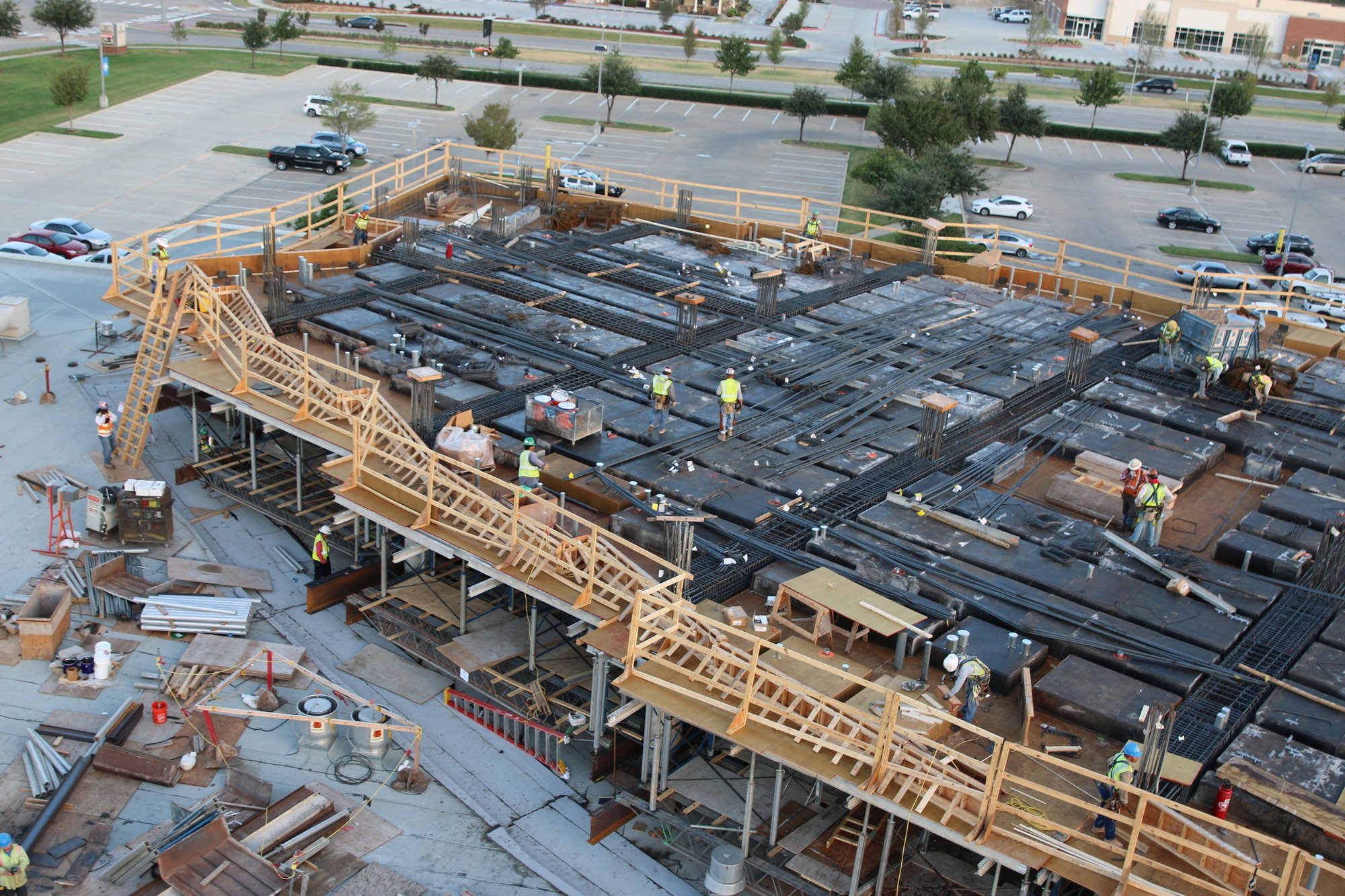
Bed Tower Overbuild: The team was tasked with adding an additional four (4) levels of patient beds (med surge/ICU/PCI) beds on top of the existing single story facility (total of five (5) levels totaling an additional 115,000 SF of new space, plus renovating 3,000 SF). During planning and execution of the project, the hospital was over capacity and internal flexibility was limited to assist with phasing during construction. The hospital service lines that were below the vertical expansion included the Emergency Department and the hospital’s main entrance. Affects on the front door and/or E.D, could impact HCAHPS ratings, which would impact patient reimbursables to the hospital.
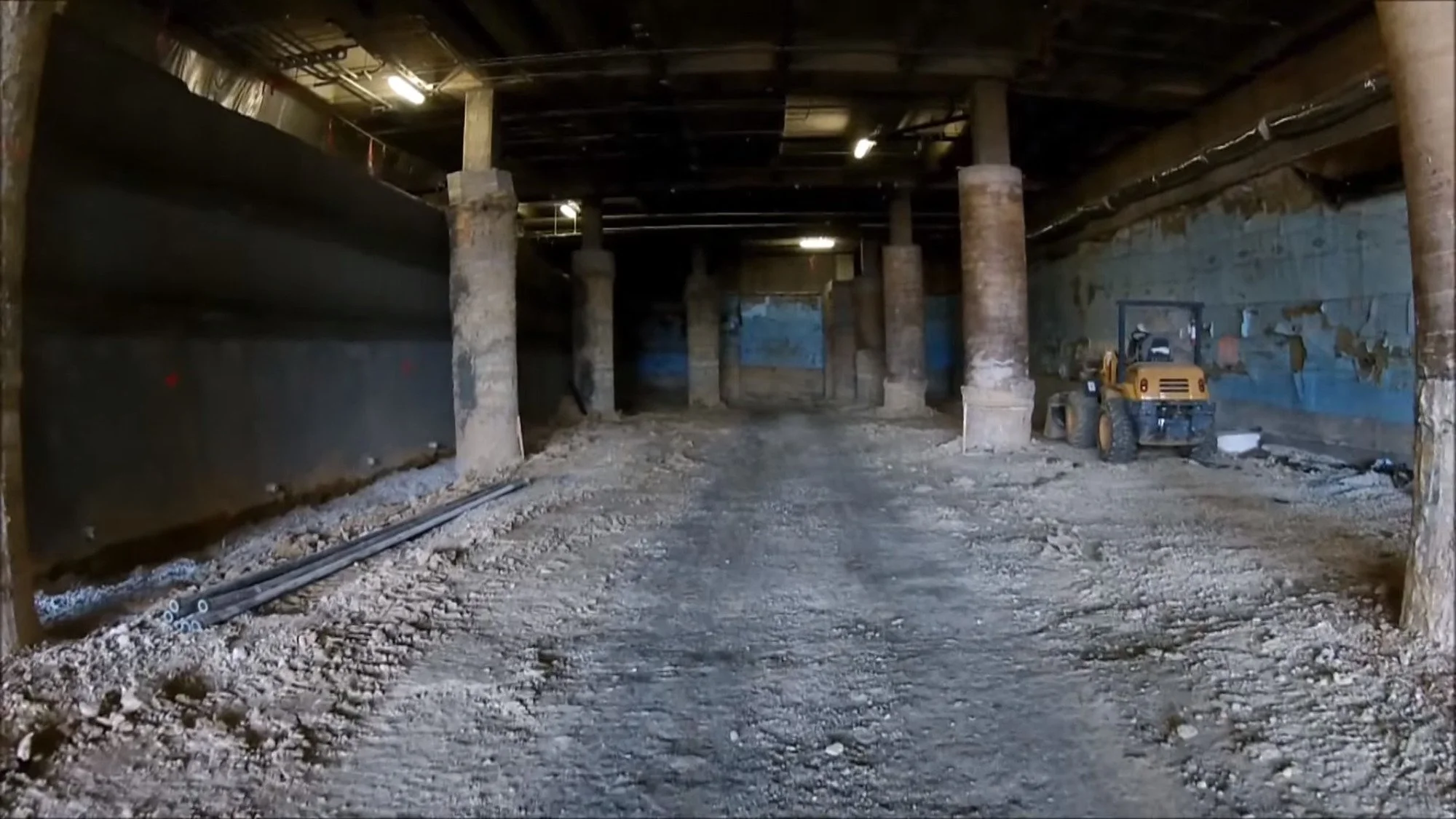
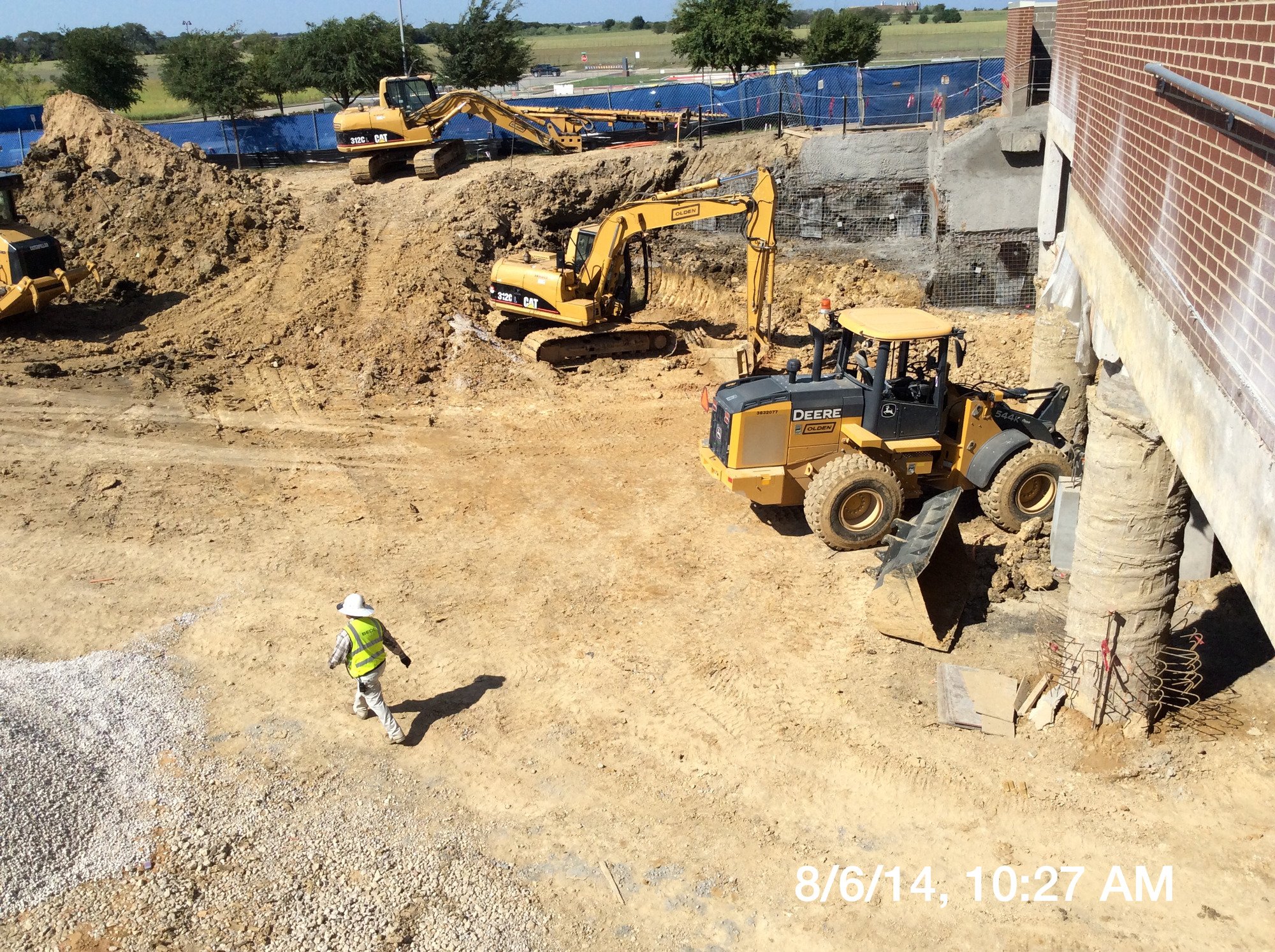
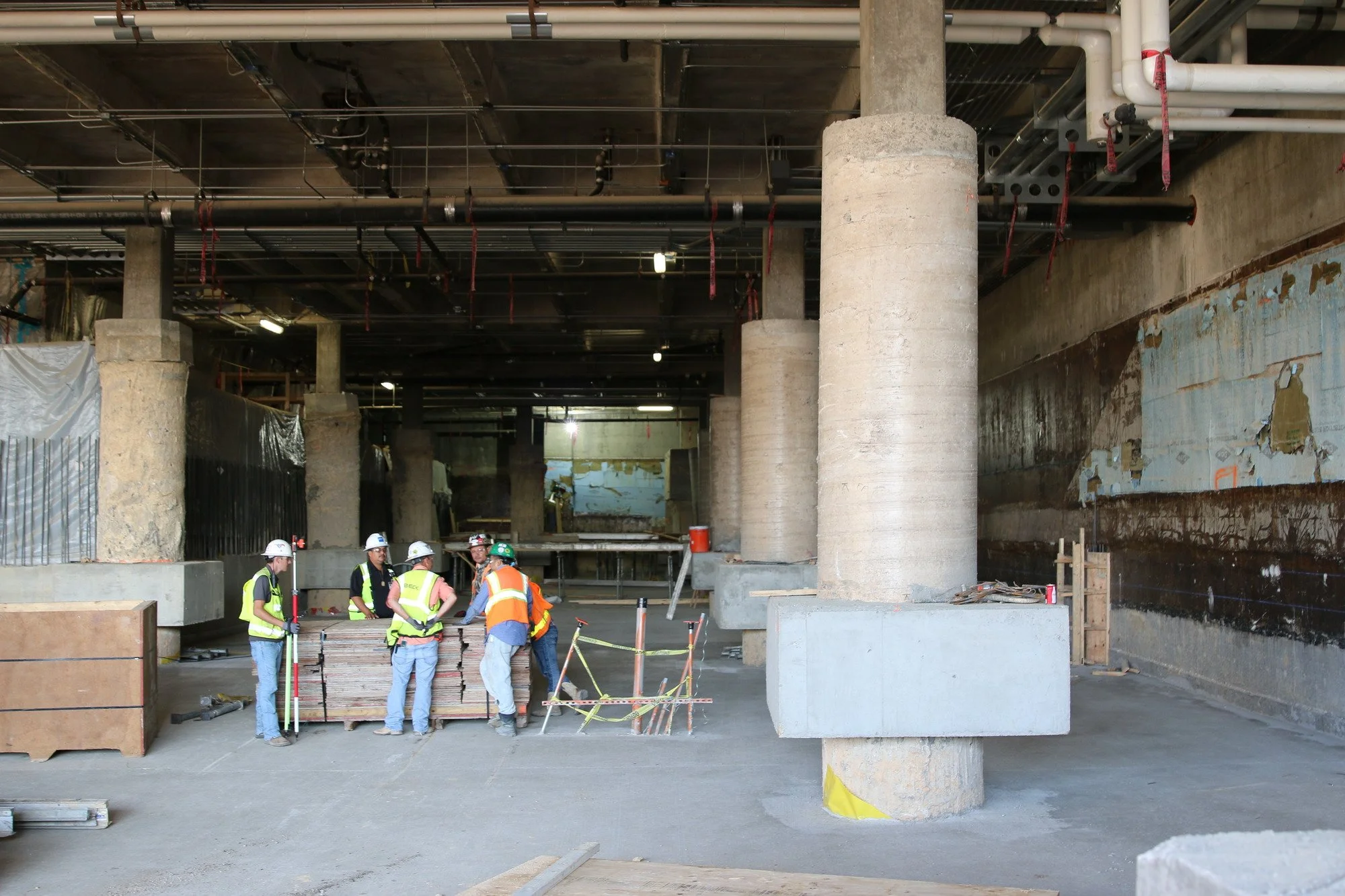
Pharmacy Underbuild: In order to support the new bed tower, support services located within the basement area needed to be expanded. The support services were landlocked by unexcavated area which the team excavated amidst many challenges, including was not to produce excessive vibration. The area above was a radiology department, which included two (2) cath lab rooms, MRI, CT, etc. Another challenge was fumes migrating into the existing building from the construction area. The team developed a plan and executed the plan without impact to the hospital and patient care. There was approximately 15,000 CY of spoils excavated out from below the existing hospital during the pharmacy expansion. The new structure that was added included a new structural concrete floor slab, with a 6’ crawl space with new one sided concrete basement walls along the perimeter.
Truck Dock Relocation / Surgery Expansion: The team was tasked with expanding the hospitals surgery suite, and to properly expand the service line, the team needed to relocate the truck dock area. On the south side of the facility where the pharmacy underbuild was occurring, the team relocated the truck dock. This allowed for a redirected material flow within the facility and allowed the team to expand the facility to include two (2) additional operating rooms, storage area, along with shell area to accommodate future expansion of the support areas below the surgery space. The phasing was critical to keep the supplies entering and leaving the facility and allow for separation between.
One of the primary challenges was working above, below, and around an active hospital. The project required a number of critical systems shutdowns including electrical, med gas, natural gas, air handling units, and chillers. In order to ensure the shutdowns were thoroughly planned and executed properly, the team initiated a Methods of Procedure (MOP) system prior to performing any work. MOPs would be submitted weeks before the actual shutdown occurred and included a detailed action plan of the work, the responsible party for each task, and a timeline for completion sometimes down to the minute. This system provided accountability for the work and ensured that all parties were on the same page with the tremendous amount of information and communication that would be required to keep the hospital functioning during each shutdown.